Los Angeles Angels Overview
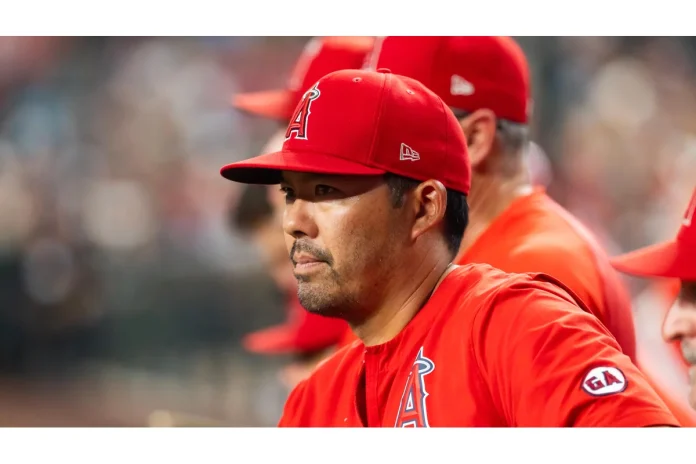
The Los Angeles Angels are a professional baseball organization based in Anaheim, California, competing in Major League Baseball as a member of the American League West Division. Founded in 1961 by entertainer Gene Autry as one of MLB’s first two expansion teams, the franchise has become a cornerstone of California baseball with a rich legacy spanning over six decades. The team plays its home games at Angel Stadium, a venue nicknamed “The Big A” that features a distinctive 230-foot illuminated letter “A” with a halo at its apex. Arte Moreno serves as the principal owner, with John Carpino as president and Perry Minasian as general manager. Under manager Kurt Suzuki, the Angels continue to build toward playoff contention while developing talent through their six minor league affiliates. The organization’s colors are red, navy blue, and silver, and the team is affectionately known as the Halos or the A-Team by its passionate fanbase.
The Los Angeles Angels hold a unique place in baseball history as one of only three MLB franchises to have won their sole World Series appearance, accomplishing that feat in 2002 against the San Francisco Giants. The franchise has claimed nine American League West Division titles across four decades, with notable periods of success in the late 1970s, mid-1980s, and a dominant run from 2004 to 2009 under manager Mike Scioscia. The organization has developed some of the game’s most celebrated players, including Hall of Famers Nolan Ryan, Rod Carew, Reggie Jackson, and Vladimir Guerrero, as well as modern superstars Mike Trout and Shohei Ohtani. Despite recent challenges and an extended playoff drought since 2014, the Angels maintain strong fan support, consistently ranking among MLB’s top attendance leaders and continuing to pursue championship glory.
Founding and Organizational Origins
The Los Angeles Angels franchise traces its roots to 1961, when MLB conducted its first expansion in nearly six decades. Original owner Gene Autry purchased the franchise rights from former Los Angeles Dodgers owner Walter O’Malley, who had acquired the name from Chicago Cubs owner Phil Wrigley. Autry paid $350,000 for the rights to continue the legacy of the previously popular Pacific Coast League Angels team that had represented Los Angeles since 1892. The franchise became the first Major League team to originate in California, establishing a precedent for professional baseball’s growth in the western United States.
For their inaugural season, the Angels played at Los Angeles’ Wrigley Field (not to be confused with Chicago’s famous ballpark of the same name), which had served as home to the PCL Angels. The team then moved to newly constructed Dodger Stadium in 1962, sharing the facility with the Dodgers through 1965. Gene Autry, best known as the “singing cowboy” entertainer, maintained ownership of the franchise for its first 36 years, guiding the organization through its formative period. The team officially changed its name from the Los Angeles Angels to the California Angels on September 2, 1965, in preparation for the anticipated move to the newly constructed Anaheim Stadium in Orange County.
The move to Anaheim in 1966 marked a significant turning point, establishing the franchise in its current metropolitan market. The stadium’s iconic “Big A” sign, originally serving as the primary scoreboard beyond left-center field, became a defining landmark and earned the venue its enduring nickname. Throughout Autry’s ownership, the team made the postseason three times but never captured a pennant, laying the groundwork for future championship pursuits that would define the franchise’s identity.
Growth Into American League Competition
Competing in the American League from their founding, the Angels gradually built competitive programs while establishing themselves within the AL West Division. The organization cultivated talent through its farm system and made strategic acquisitions that would shape its future success. During the 1970s and 1980s, the team featured Hall of Fame pitchers and hitters who became franchise icons. Nolan Ryan, who played for the Angels from 1972 to 1979, threw four of his seven career no-hitters while in California, cementing his legacy with the organization. Rod Carew arrived in 1979 and achieved his 3,000th career hit wearing an Angels uniform. Reggie Jackson joined the team in 1982 and hit his 500th career home run as an Angel.
The Angels came within one game of reaching the World Series twice during this era, falling short in the American League Championship Series in both 1982 and 1986. These near-misses created lasting memories for fans and established a culture of passionate support that would define the organization’s relationship with its community. The franchise’s first major ownership transition occurred in 1997 when The Walt Disney Company acquired the team, leading to significant stadium renovations and a rebranding as the Anaheim Angels. Disney’s resources and marketing expertise elevated the team’s profile while the renovated stadium transformed the fan experience.
The foundation built through these decades of competition and organizational development would culminate in the franchise’s defining achievement. The structure, personnel, and competitive philosophy established during this growth period created the framework for sustained success in the years that followed.
Los Angeles Angels Competitive Journey
The Los Angeles Angels have navigated a competitive trajectory spanning over six decades of Major League Baseball competition, evolving from an expansion franchise into a championship organization with a proud legacy of excellence. The team’s journey includes periods of rebuilding, near-misses, and ultimate triumph, creating a narrative that resonates throughout baseball culture.
Early Seasons and Development (1961-1986)
The Angels’ formative years established patterns that would characterize the franchise for decades. As an expansion team, the organization faced inherent challenges in building competitive rosters while developing the infrastructure necessary for sustained success. The early seasons provided valuable experience for players and coaches alike, creating the foundation for future achievements. The team’s first generation of fans developed unwavering loyalty during this period, establishing traditions and expectations that persist to the present day.
The late 1970s and early 1980s brought increased competitiveness as the organization assembled talented rosters featuring future Hall of Famers. The additions of Ryan, Carew, and Jackson transformed the Angels into legitimate contenders, generating excitement among fans and establishing the team as a force within the American League. The heartbreaking near-misses in 1982 and 1986, when the Angels fell just short of pennant competition, became defining moments that deepened fan attachment and created an enduring desire for championship success that would later be fulfilled.
Breakthrough in American League (2002)
The 2002 season represented the apex of the Angels’ competitive achievement, as the organization captured its first American League pennant and World Series championship. Under manager Mike Scioscia, the Angels secured their first postseason appearance since 1986 by earning the American League Wild Card spot. Despite having just one All-Star selection (outfielder Garret Anderson named as a reserve), the team demonstrated remarkable resilience and determination throughout the postseason.
The Angels defeated the New York Yankees in the Division Series and overcame the Minnesota Twins in the Championship Series to claim the pennant. In the World Series against the San Francisco Giants, the Angels won their first championship, becoming one of only three MLB franchises to win their sole World Series appearance. The victory fulfilled the dreams of generations of fans who had waited for the organization to achieve baseball’s ultimate prize. Notably, franchise founder Gene Autry had passed away four years earlier, never witnessing the championship he had pursued for nearly four decades.
The “Win One for the Cowboy” tradition commemorates Autry’s legacy, with players honoring the founding owner following the championship. Outfielder Tim Salmon famously retrieved one of Autry’s signature white Stetson hats from the home dugout after the final out, symbolizing the connection between the organization’s history and its triumphant achievement.
Modern Program and Current Direction (2014-Present)
Following their 2002 championship and the five division titles that followed through 2009, the Angels entered a challenging period in their competitive history. Despite the presence of generational talents including Mike Trout and Shohei Ohtani, who combined to win five American League MVP awards with the organization, the team has not appeared in the postseason since 2014. This drought represents the longest active playoff absence in Major League Baseball, creating significant urgency within the organization to return to championship contention.
The current leadership structure under Arte Moreno’s ownership, with Perry Minasian serving as general manager and Kurt Suzuki as manager, represents the organization’s commitment to building a sustainable winning program. The Angels continue to invest in their minor league system, maintaining six affiliates that develop talent for the major league roster. Recent drafts and international signings have added promising young players to the organization, providing hope for future competitiveness.
Angel Stadium continues to serve as the franchise’s home, with ongoing investments in facilities and fan experience maintaining the venue’s status as a premier baseball destination. The organization’s current roster combines veteran leadership with emerging talent, positioning the Angels for renewed postseason pursuit.
Philosophy and Competitive Strengths
The Angels organization emphasizes player development and building through their farm system while remaining opportunistic in pursuing established talent through free agency and trades. The franchise has historically valued versatility and team-first approaches, seeking players who contribute across multiple aspects of the game. The team’s competitive identity has evolved to emphasize power hitting and strong pitching as complementary strengths.
Key Milestones and Major Moments
The franchise’s history includes numerous landmark achievements, from Nolan Ryan’s four no-hitters in California to Mike Witt’s perfect game against the Texas Rangers in 1984. The 2002 World Series championship remains the organization’s crowning achievement, while the Rally Monkey’s emergence during that championship season created a lasting cultural phenomenon. The team has retired six jersey numbers honoring legendary players and executives, and the Angels Hall of Fame, established in 1988, preserves the organization’s rich heritage.
Los Angeles Angels Achievements and Results
The Los Angeles Angels have accumulated a distinguished record of accomplishments throughout their history, including championship success, division titles, and individual honors that reflect the organization’s competitive excellence. These achievements represent the culmination of decades of dedication from players, coaches, executives, and fans who have contributed to the franchise’s legacy.
American League Achievements
The Angels captured their sole World Series championship in 2002, defeating the San Francisco Giants in seven games to claim baseball’s ultimate prize. This victory made the Angels one of only three MLB franchises, and the only American League team, to win their only World Series appearance. The franchise also secured its only American League pennant that same season, defeating the Minnesota Twins in the Championship Series. As of 2025, the Angels have compiled a lifetime win-loss record of 5,093-5,205-3, achieving the milestone of becoming the first expansion team to reach 5,000 total wins in 2024.
Division Achievements
The Angels have claimed nine American League West Division titles, demonstrating sustained competitiveness across multiple eras. The first three division championships came during the franchise’s first four decades: 1979, 1982, and 1986. The organization then experienced its most dominant period from 2004 to 2009, winning five consecutive division titles under manager Mike Scioscia. The ninth and most recent division championship came in 2014. These titles reflect the organization’s ability to assemble competitive rosters and maintain excellence over extended periods.
Notable Records and Honors
Throughout their history, the Angels have featured numerous players who achieved individual excellence while representing the organization. The franchise has retired six jersey numbers: 11 (Jim Fregosi), 26 (Gene Autry), 29 (Vladimir Guerrero), 30 (Nolan Ryan), 42 (Mariano Rivera, shared across MLB), and 50 (Tim Ryan). The Angels Hall of Fame, established in 1988, has inducted fifteen individuals including fourteen players and one executive, along with members of the 2002 championship team. Vladimir Guerrero became the first player elected to the Baseball Hall of Fame wearing an Angels cap insignia when he was inducted in 2018, recognizing his exceptional contributions to the franchise.